
Case study · End-of-life strategy
Combined Redevelopment Strategy
Maximising the value of an ageing onshore wind portfolio by combining life extension with optimisation and repowering, under one development process.
Client
European Utility Operator, 25+ onshore wind farms
The brief
Protect the pipeline and maximise redevelopment value across a portfolio approaching end-of-life
The key aims:
Protect the development pipeline, ensuring repowering opportunities are not lost to competitors
Maximise the value of each site, combining life extension with optimisation and repowering wherever possible
Provide a clear step-by-step development process, with accountability mapped across departments
Review the prioritisation of sites and key deliverables at portfolio level
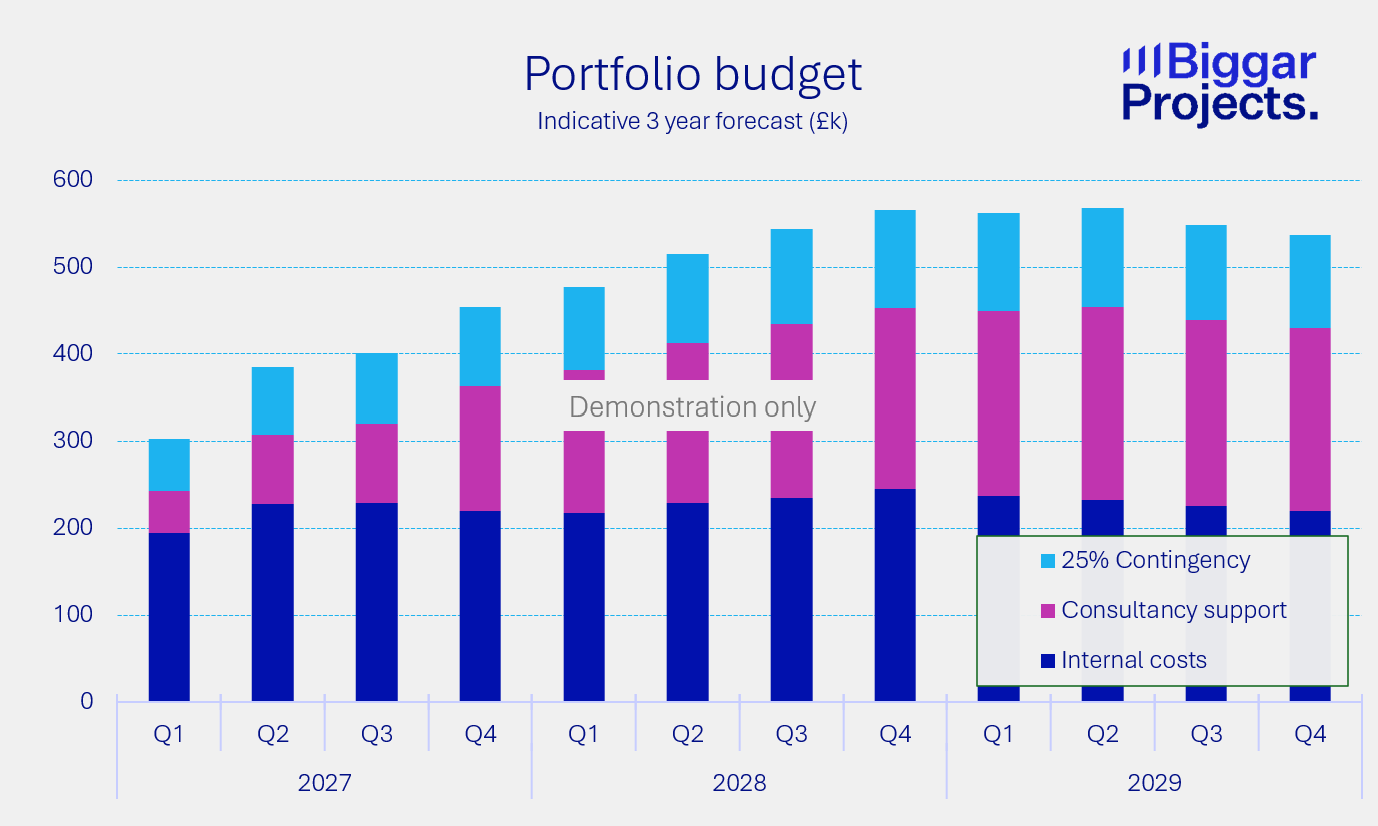
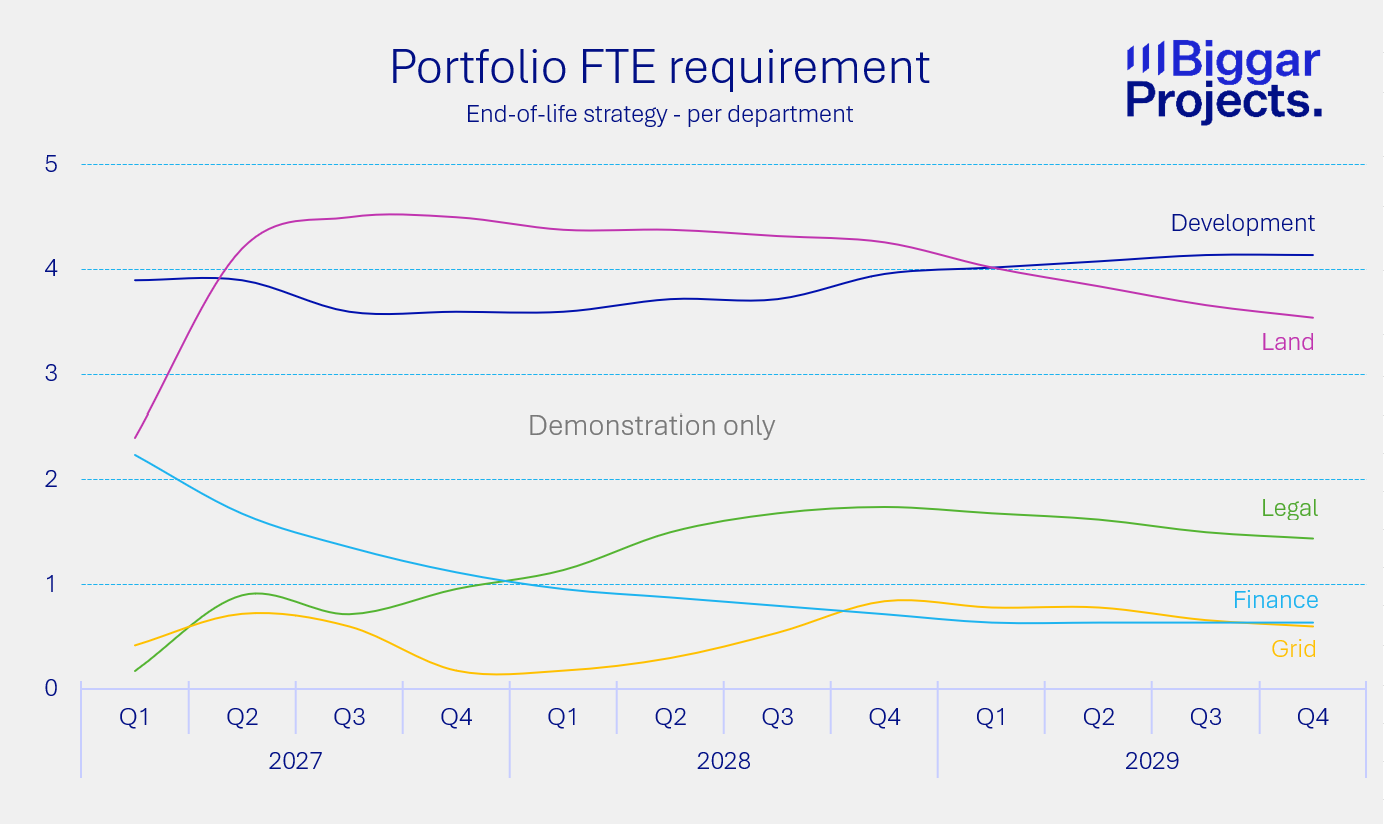
Forecast the budget and resources required at portfolio level
Step 1
Confirm the needs of the business
Starting with the existing strategy and targets: what is needed from development? Is it to build capacity, generate returns or secure a long-term development pipeline? Are there timescales for achieving value? What are the criteria for investment, and how is risk managed?
Clarity at this stage informs how each site will be redeveloped and its value to the business.
This supports decisions on whether to progress, hold or divest individual projects, and when to take key development actions such as engaging site landowners to secure new lease rights.
Step 2
Agree the development process
Where the business already has an experienced development team and an established way of operating, the process for end-of-life sites should build on that expertise wherever possible.
However, a decision-making framework is needed to identify the best route for each site.
Is it suitable for repowering?
Should it be combined with life extension?
Should it be prioritised within the portfolio?
Should any individual works be prioritised?
Within this process, there are individual development actions. This is a recommended guideline for redevelopment, setting out what should be done and when.
Actions are chronologically ordered and accountability is mapped across departments.
Each action is defined as follows:
What -
The action and its deliverableHow -
The method and who delivers itWhy -
The value it adds to the investment case
Step 3
Prioritise sites and set goals
Sites are ranked according to their value to the business.
Taking into account current progress across the portfolio, target timescales are set for key development tasks, providing a roadmap of what will be delivered at each site and by when.
As sites are developed, valuations are refined and risk registers are built out.
This should be a continual review as projects are developed and better understood.
Step 4
Forecast budget and resources
The budget is built from the ground up, drawing on experience of what individual development tasks cost and on the knowledge of the development teams that feed into the revised process.
Similarly, each development task has an associated time requirement, whether it is delivered internally or by an external consultancy team under internal direction.
The forecast provides clarity at the portfolio, site and individual task level.
Planning for end-of-life across your portfolio?
Whether a full portfolio review is needed or focused support on a single site, this can be provided to combine life extension with repowering and protect your development pipeline.